Remote Marine Surveyor Services
Fast, detailed ship, cargo, and yacht inspections worldwide
Remote Ship Surveys
Thorough remote inspections with detailed reports
Available 24/7 for owners and brokers
Cost-effective and efficient service
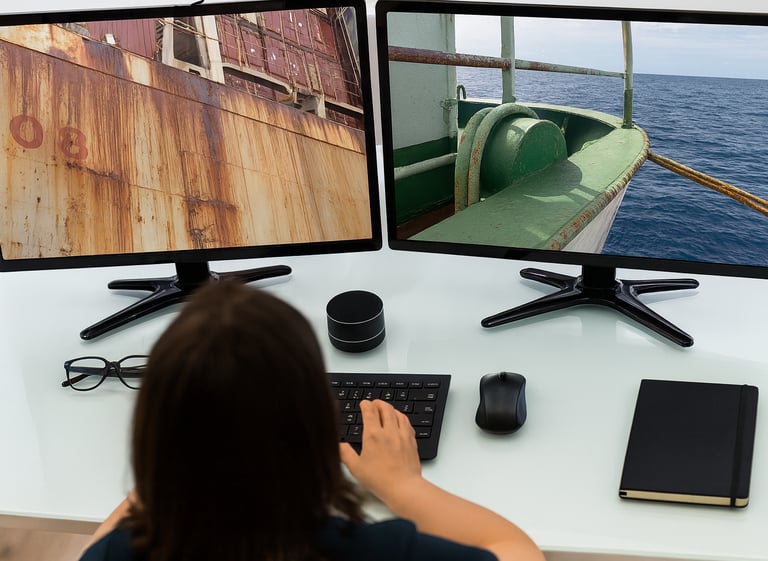
Remote Cargo Surveys
Remote Yacht Surveys
Remote Marine Surveyor
Definition
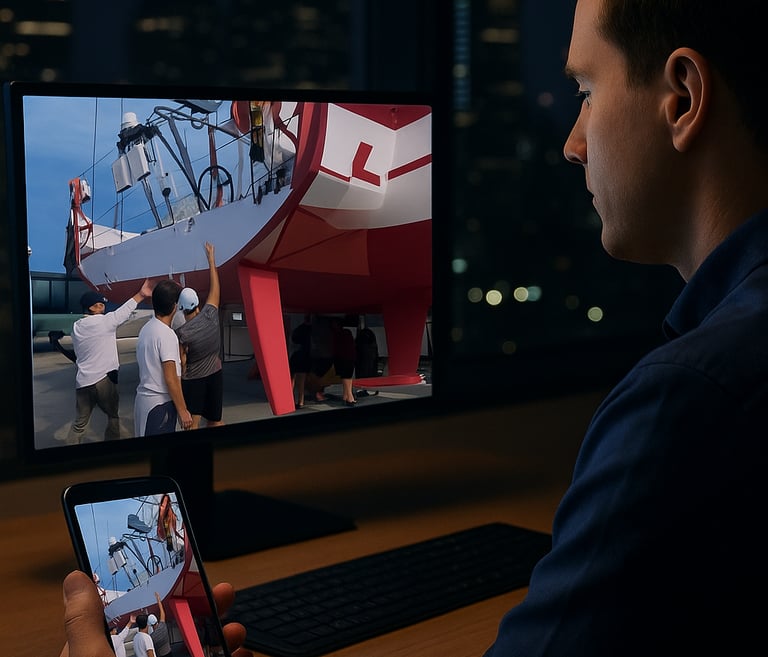
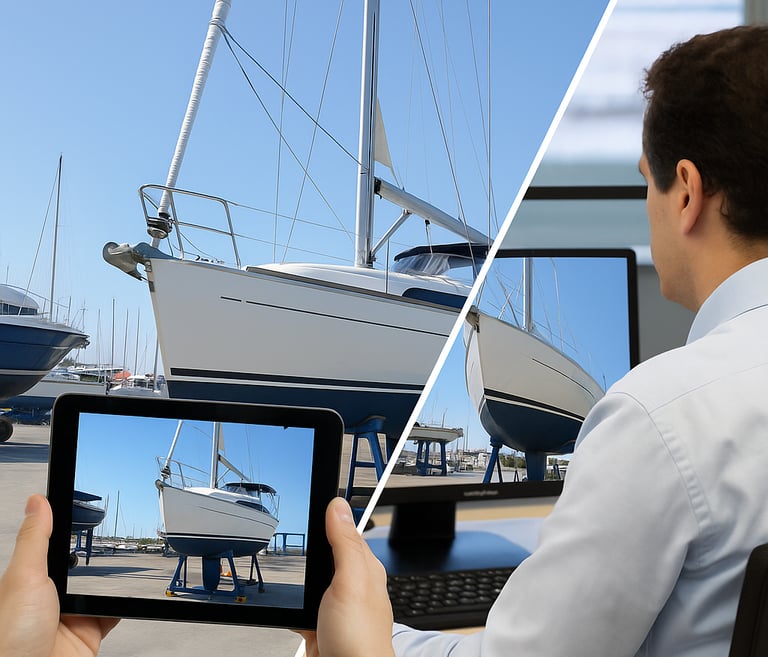
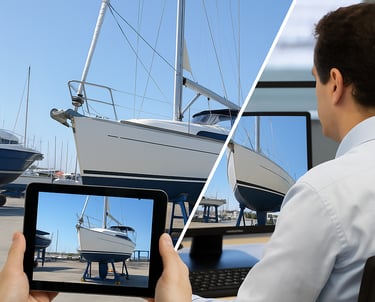
A marine surveyor traditionally examines ships, yachts, and small craft to assess their condition, compliance, and value. A remote marine surveyor performs the same role but leverages technology—such as secure apps, photo/video evidence, and live streaming—to conduct inspections without physically boarding the vessel.
Core Responsibilities
• Documentation review: Registration papers, classification/CE certificates, past surveys, maintenance records.
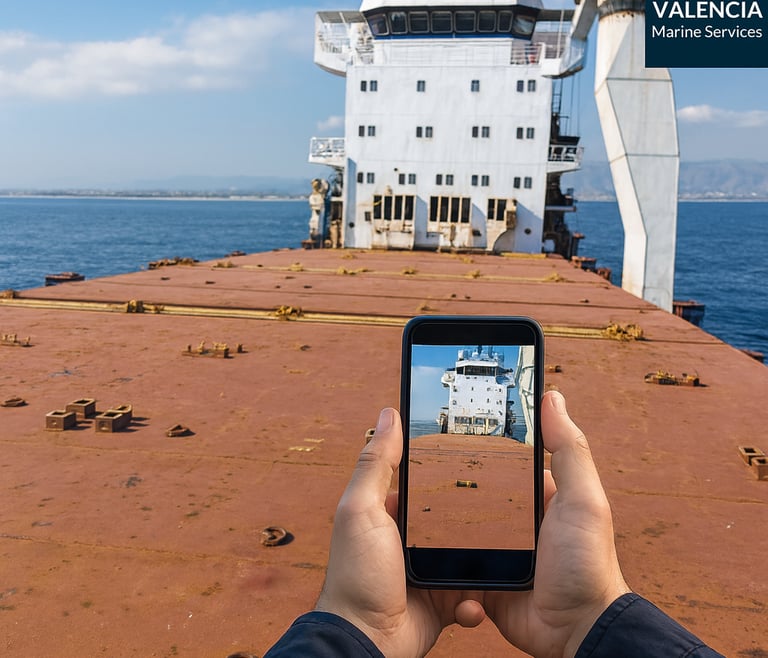
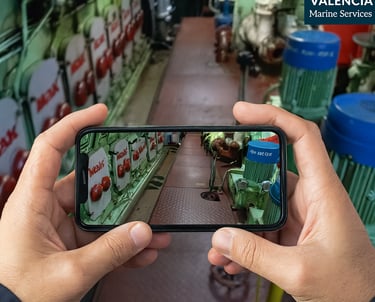
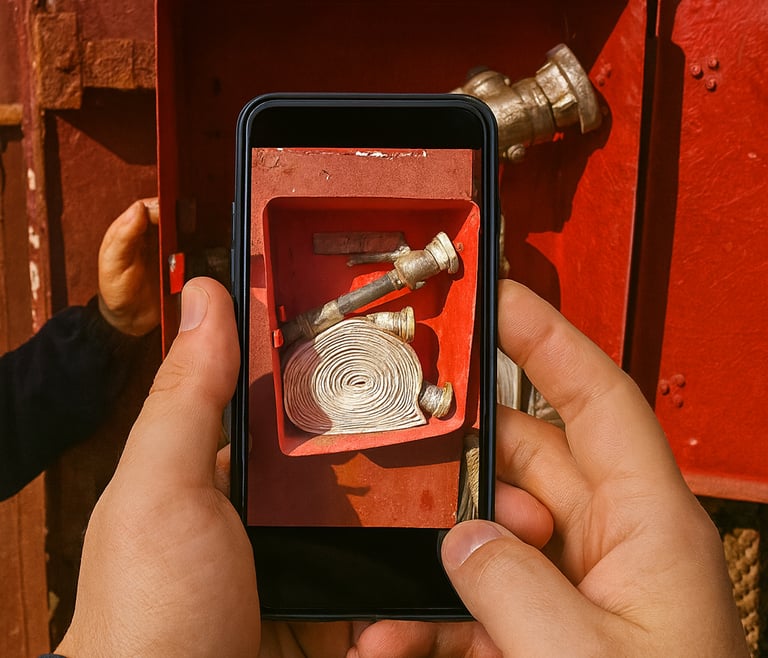
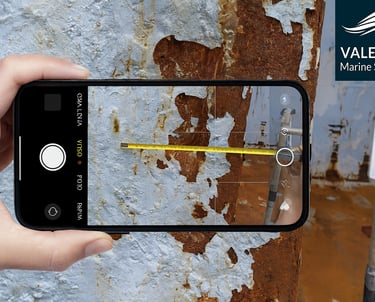
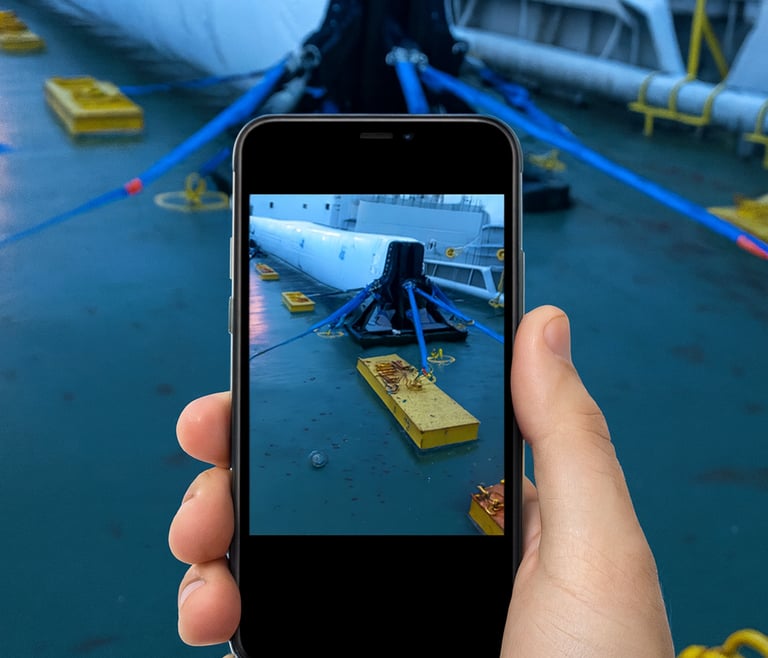
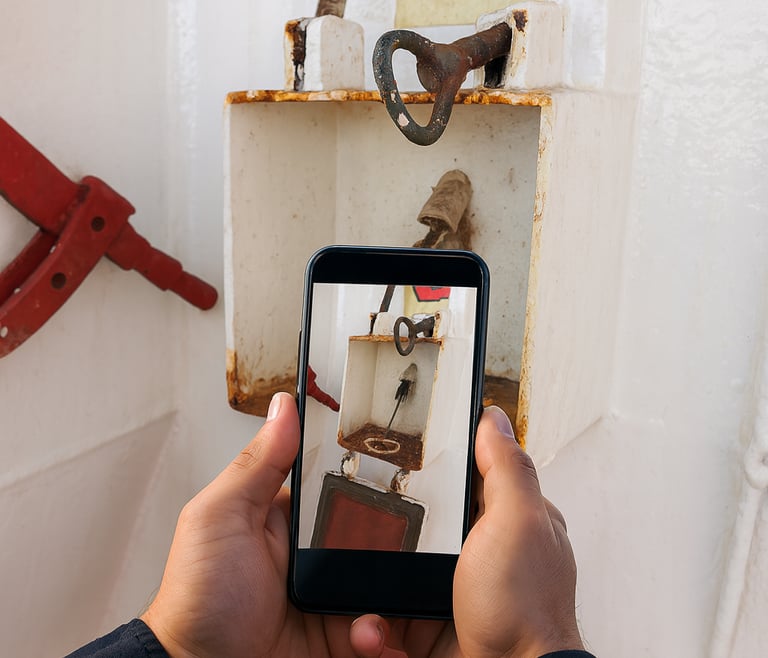
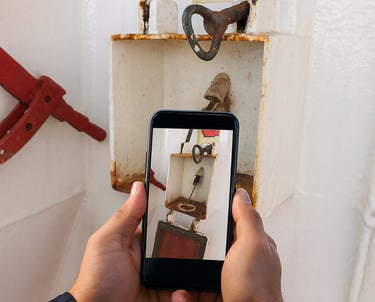
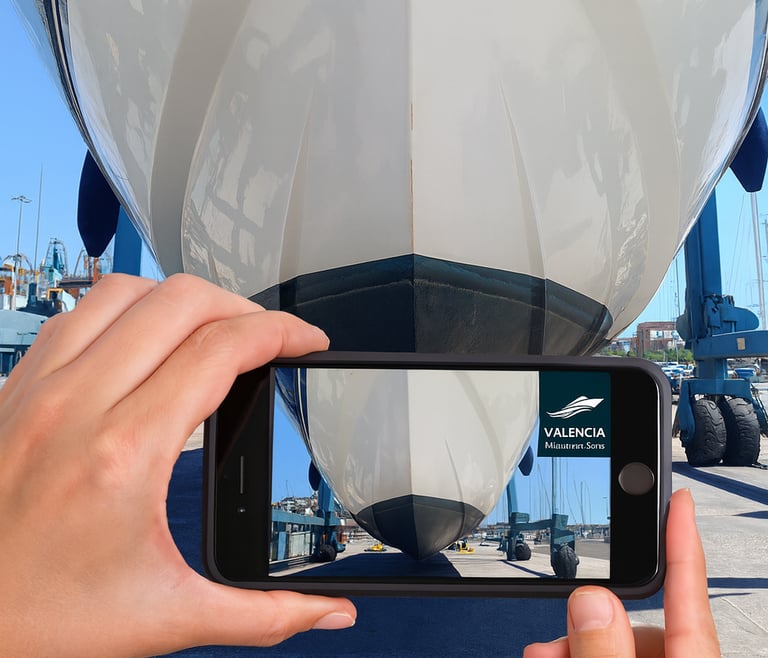
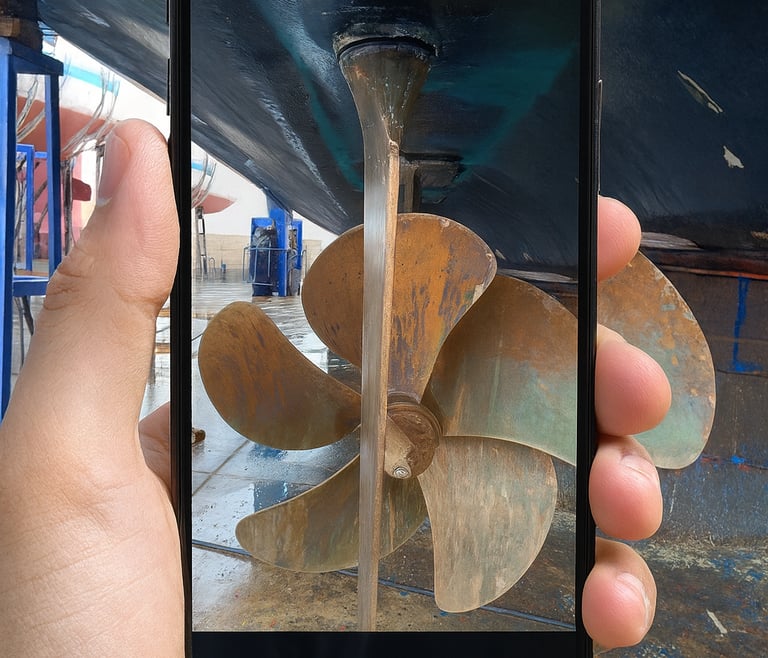
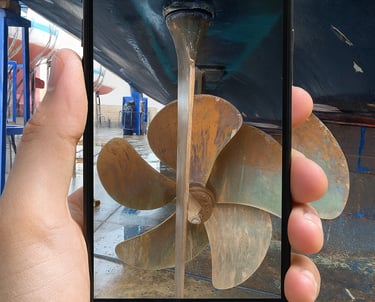
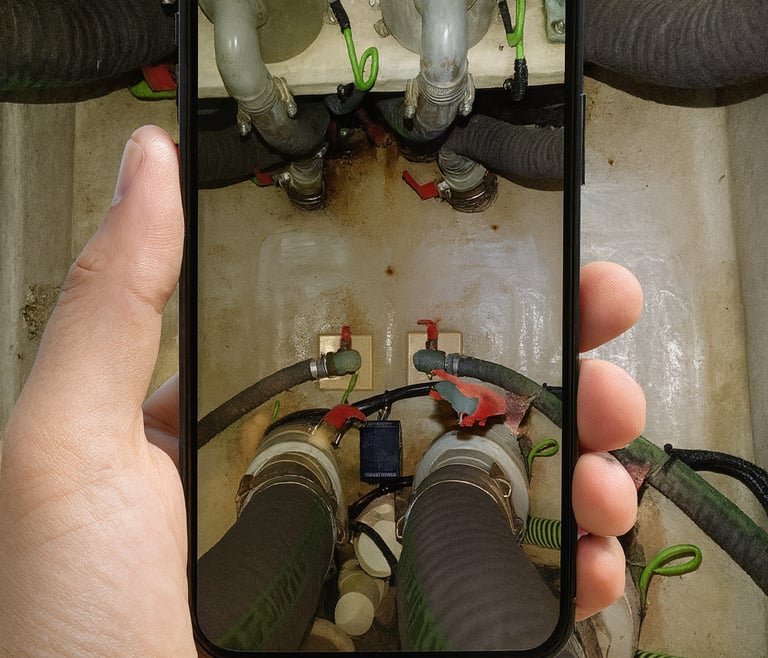
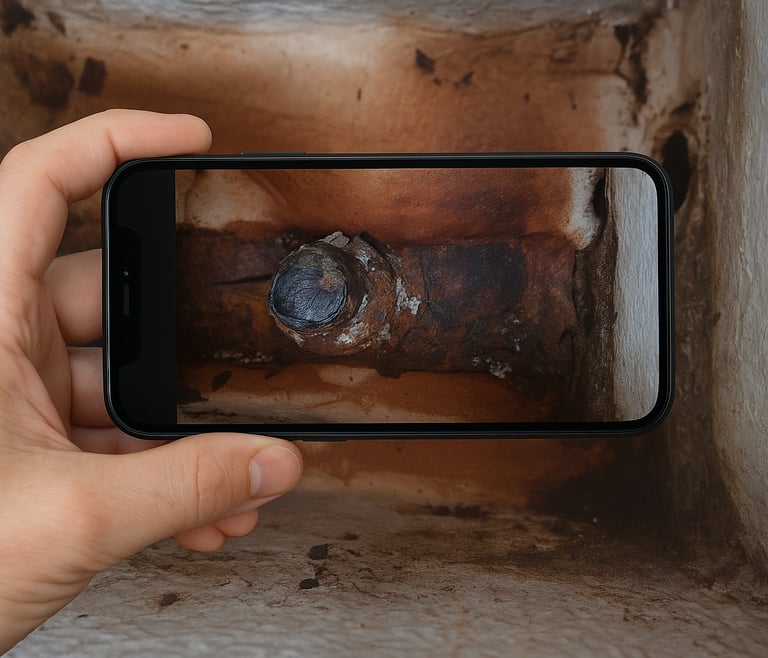
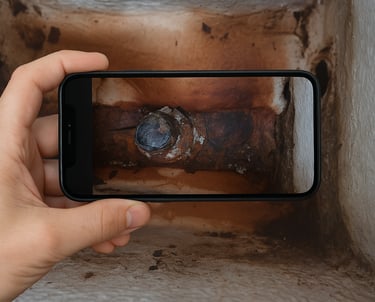
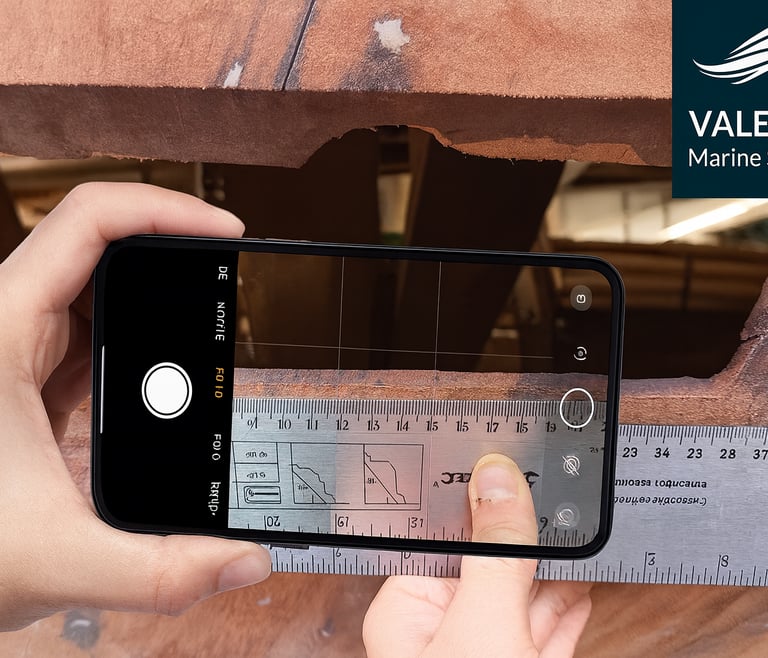
• Photo & video inspection: Hull, deck, machinery, interior, safety equipment, and systems.
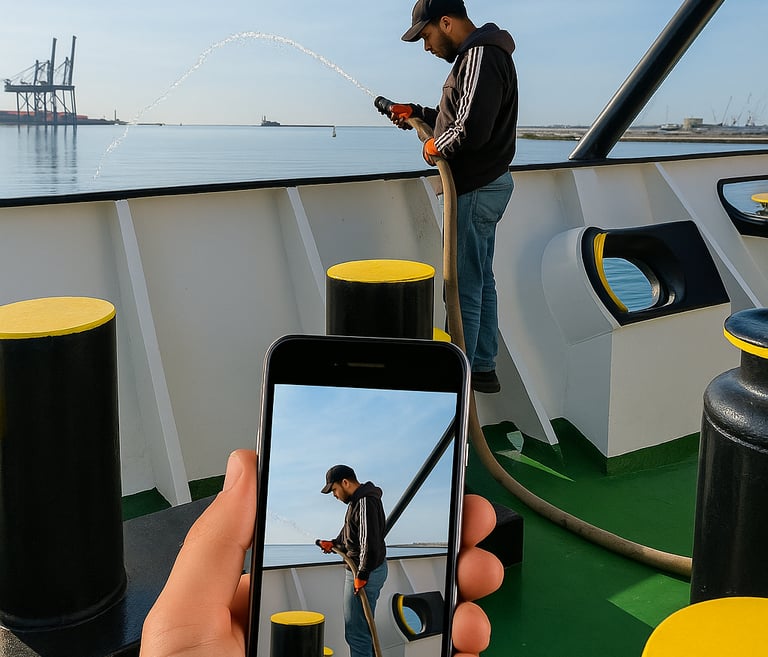
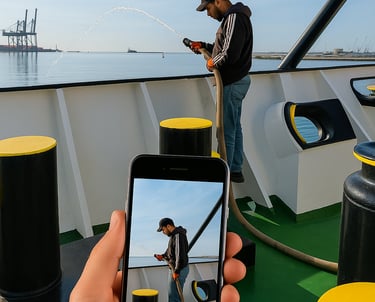
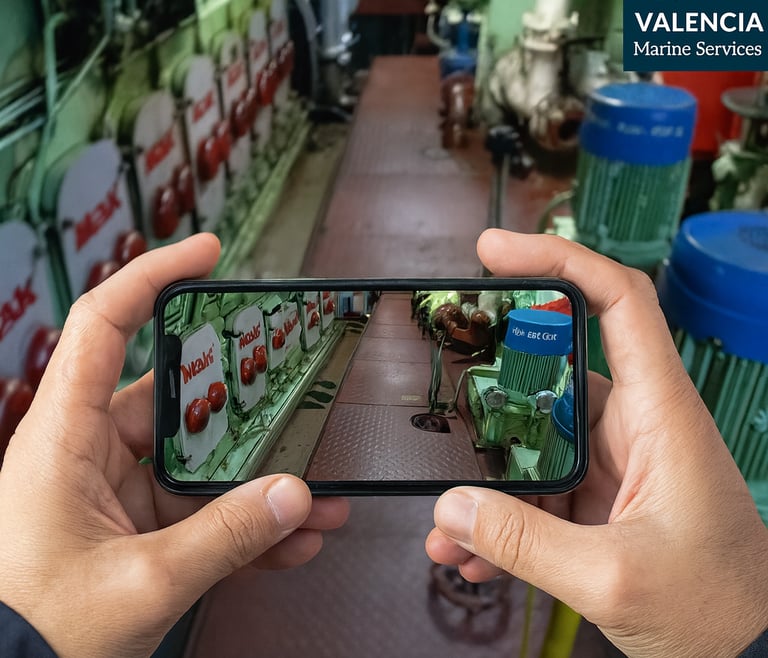
• Live remote calls: Guide onboard personnel through targeted checks (engine room, exterior, interior).
• Condition assessment: Provide expert grading of vessel condition and suitability for intended use.
• Compliance checks: Verify fundamental adherence to flag state or local requirements
Benefits
• Efficiency: Faster turnaround and reduced costs.
• Accessibility: Enables surveys worldwide, even in restricted or distant locations.
• Safety: Limits exposure to hazardous environments.
• Continuity: Keeps insurers, banks, and buyers supplied with reports despite logistical challenges.
Human Expertise Still Central
Even though the inspection is remote, the surveyor’s judgment remains essential. Remote tools provide data, but professionals interpret findings, identify risks, and make recommendations. Remote surveying doesn’t replace marine surveyors—it expands their reach and toolkit.
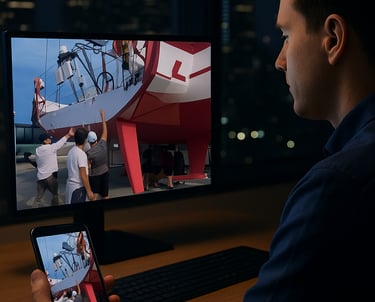

How It Works?
Step 1 – Request & brief
You share basic details: vessel/yacht name, IMO or registration, location, type of cargo (if any), and your main concerns or questions. We agree on the scope, fee, and approximate time slot.
Step 2 – Prepare for the survey
We send you a simple checklist to prepare:
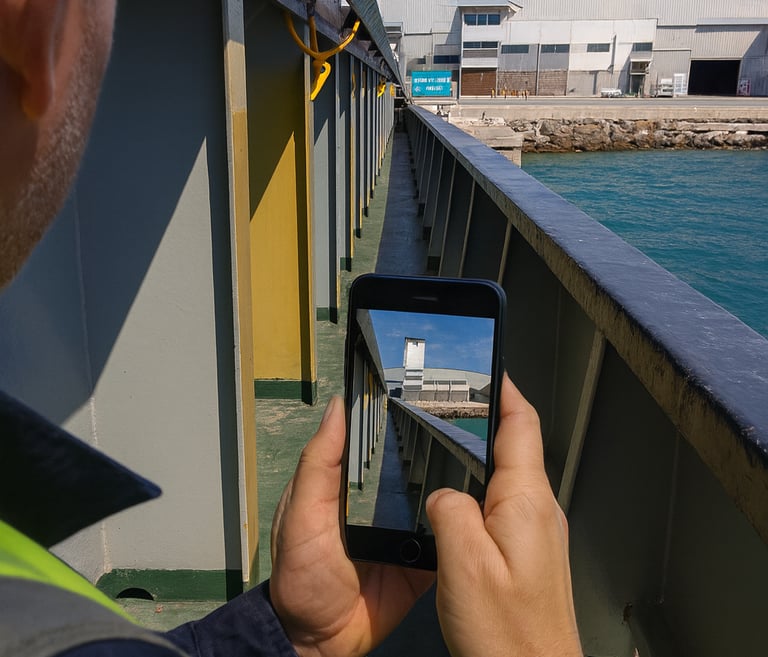
• Who will hold the camera or mobile device on board
• Areas to be shown (hull, decks, machinery, cargo, documents, etc.)
• Any existing photos, reports, or certificates to send in advance
Step 3 – Live video inspection
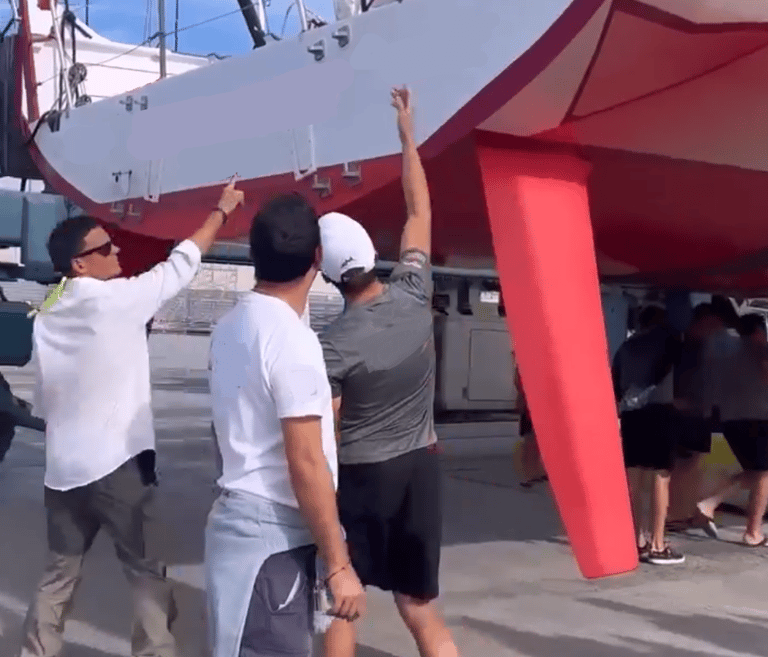
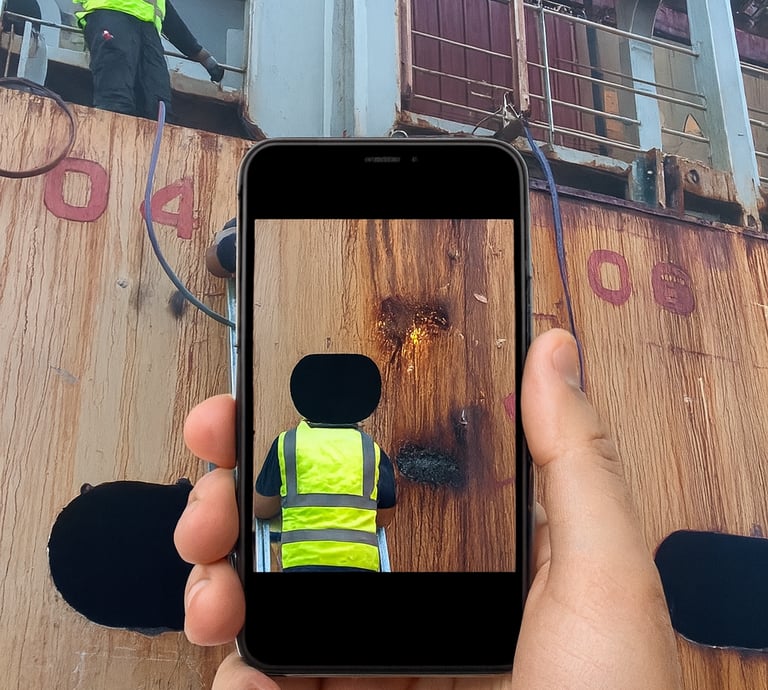
Using a secure video platform (WhatsApp, Teams, Zoom, or similar), we guide your crew, agent, or broker step-by-step:
• What to film and show in detail
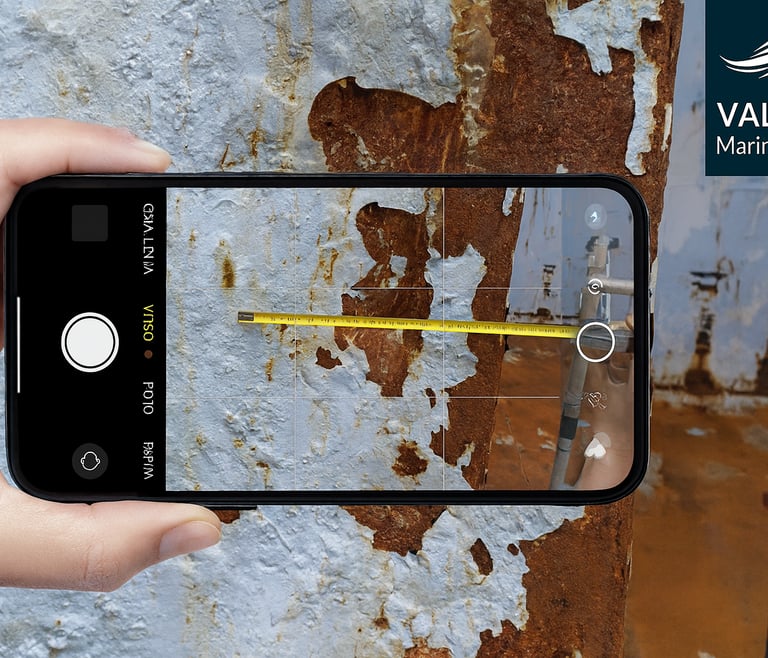
• What measurements, gauge readings, or tests to record where possible
• What photos to take and send after the call for higher resolution
Step 4 – Evidence review
After the live session, we review all images, videos, and documents, cross-checking them against class rules, good practices, and your instructions.
Step 5 – Report & recommendations
You receive a clear written report, including:
Summary of vessel/cargo/yacht condition within the agreed scope
Photographic evidence and comments
Identified defects and risks
Recommendations and next steps (including when an on-site survey is essential)
What Can (and Cannot ) Be Done Remotely
Remote marine surveys are powerful, but not suitable for every situation.
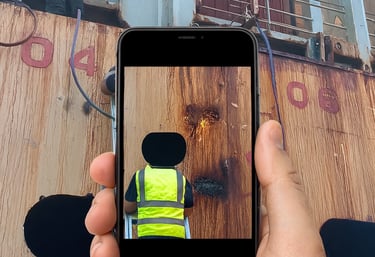
On-site attendance is still required for:
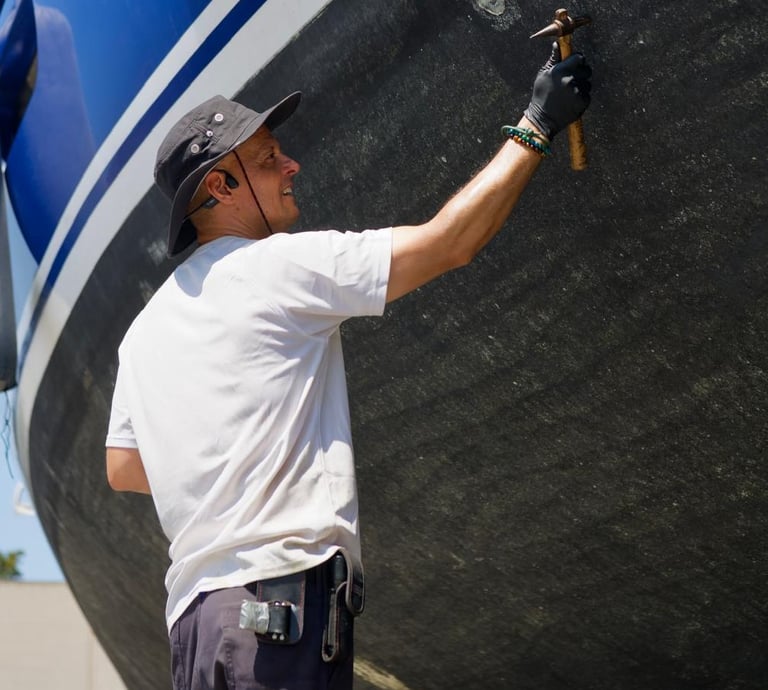
Close-up structural inspections (e.g. tanks, confined spaces)
Thickness measurements and NDT
Major casualties and complex structural damage
Certain statutory or class surveys as per flag / IACS rules
Suitable for remote work:
Visual inspection of accessible areas
General condition and maintenance impression
Documentation checks
Follow up after repairs or minor damage
Pre-selection of vessels or yachts before travel
Who Uses Our Remote Surveys?
Shipowners and technical managers need fast, practical eyes on board.
Charterers checking the condition at delivery/redelivery.
Cargo interests and insurers handling a time-critical damage situation.
Yacht buyers abroad assess a boat before booking travel or a complete survey.
Lawyers and P&I correspondents need early technical input.
Typical situations:
You have limited time in port and cannot wait for a surveyor to fly in.
A yacht is for sale in another country, and you want a professional look before committing.
A cargo is damaged, and you would actually need immediate visual evidence and a preliminary opinion.
A repair yard has finished work, and you want independent confirmation.
Contact
Reach out anytime for swift marine surveys
OFFICE
© 2025. All rights reserved.
OFFICE
MOBILE